
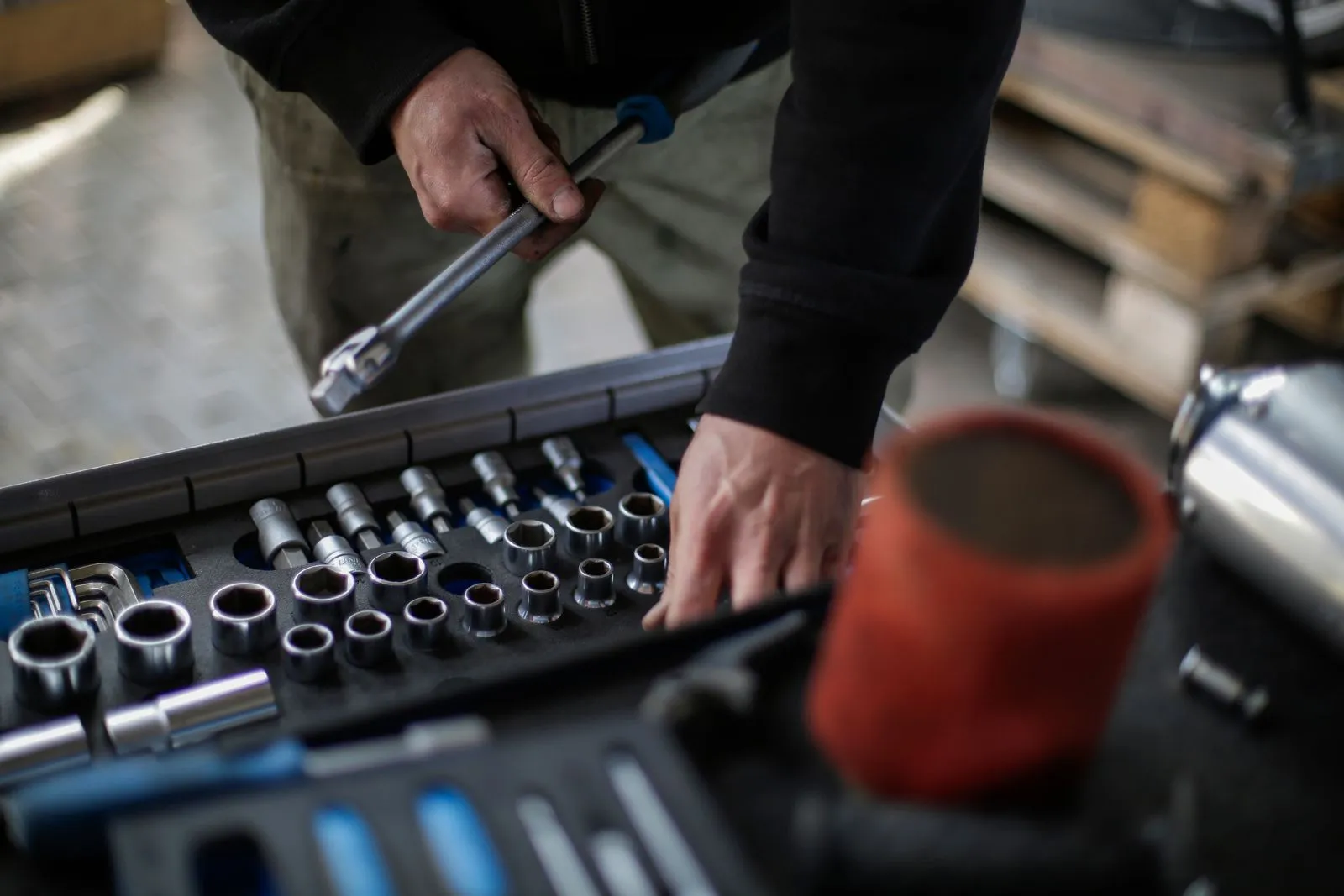
The right tool can make a home project safer, neater, and much less frustrating. Start by defining the task: Are you hanging shelves, replacing a faucet, cutting lumber, or removing old flooring? Then consider the material, the space, and how much precision the work needs. You may already own the basics, while a specialty or high-powered tool may be easier to rent. Here’s how to match common projects with useful equipment before you begin.
Start With the Job and Material
Write down the steps involved before picking a tool. A project described as “install shelves” might require locating studs, drilling pilot holes, driving screws, and leveling the brackets. Each step can call for a different tool, and the wall material matters: drywall, plaster, masonry, and wood do not all respond to the same bit or fastener.
Check the tool’s capacity against the material and the task. A drill suitable for small pilot holes may not be the right choice for mixing heavy material or drilling into concrete. Read the manufacturer’s instructions, including any limits on blade size, material thickness, or use time. If you are unsure, ask a knowledgeable rental associate to help you compare options.
Match Tools to Common Repairs
For hanging pictures, assembling furniture, or tightening hardware, start with a tape measure, level, screwdriver, and a drill or driver with the correct bit. For a leaky faucet or simple fixture replacement, adjustable wrenches, pliers, and a basin wrench can help reach connections under the sink. Shut off the water first, and confirm the replacement part fits before removing the old one.
For patching drywall, useful basics include a utility knife, taping knife, sanding block, and dust protection. Small holes may need only a patch kit and hand tools; larger damaged areas may call for a drywall saw and a longer straightedge. For clogged drains, try a plunger or hand auger suited to the fixture before reaching for power equipment, and avoid mixing chemical drain cleaners.
Plan Renovations Around Equipment
Cutting lumber for a small build may call for a circular saw, while trim work often benefits from a miter saw for accurate angled cuts. For tile, choose a tile cutter or wet saw based on the tile type, cut shape, and project size. Always check that the blade is designed for the material, and plan how you will support the workpiece so it cannot shift during a cut.
Removing carpet, sanding a floor, or stripping paint can take more time and effort with hand tools alone. A floor scraper, floor sander, or power sander may speed the work, but each creates debris and may require protective gear. Before renting, measure the work area, check access to outlets, and find out whether the equipment needs a specific extension cord, vacuum attachment, or consumable.
Check Safety and Rental Fit
Choose equipment you can control comfortably, not simply the most powerful option. Look for handles and guards in good condition, and ask how to start, stop, adjust, and transport the tool. Wear task-appropriate eye and hearing protection, gloves when suitable, and a dust mask or respirator when the instructions call for one. Keep children and pets away from the work area.
Renting can make sense when a tool is costly, used for only one project, or takes up too much storage space. Estimate how long you need it, including setup and cleanup, and gather the right bits, blades, or accessories before leaving the shop. Fargo Tool Shed can help you compare equipment for a project; bring your measurements and a description of the material so the conversation starts with useful details.
A good tool choice begins with a clear task, the right match for your material, and a realistic plan for safe use. Make a short checklist of steps, measurements, and supplies before you shop or rent. If you need help narrowing down equipment for your next project, talk with a local tool rental shop.